




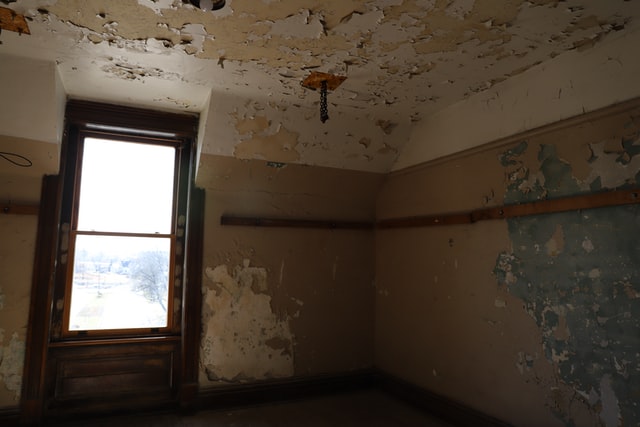
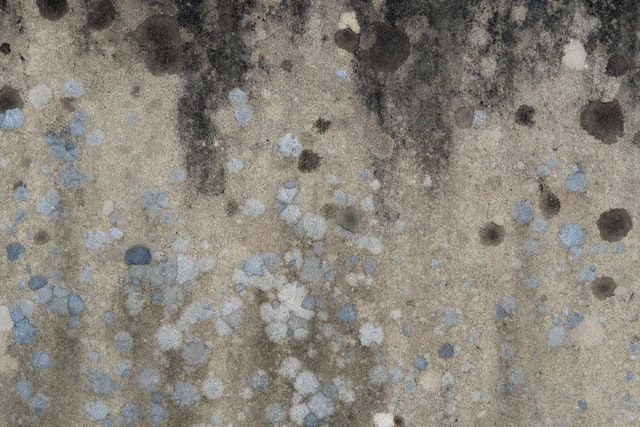
One of the most damaging forces a structure can encounter is water damage, which frequently goes unnoticed for months or even years before its effects become apparent. The underlying damage may already be substantial by the time mould starts to grow on ceilings or wet spots start to develop on interior walls. Ignoring external waterproofing requirements is a false economy for homeowners in Sydney, where property prices are high and maintenance expenditures can be considerable.
Sydney’s close proximity to the coast, humidity, and heavy rainfall events combine to create an environment that is very challenging for building exteriors. While severe rain forces water into joints and cracks that might not be visible in dry weather, salt-laden air speeds up the deterioration of render and brickwork. It is always better to fix waterproofing flaws before they cause damage.
Sydney Exterior Wall Waterproofing Techniques
Depending on the particulars of each job, experts in exterior wall waterproofing sydney use a range of tried-and-true methods. Among the most adaptable choices are surface-applied waterproofing membranes, which offer a continuous barrier over the wall face and work especially well on painted or rendered surfaces. These membranes come in a variety of compositions, ranging from extremely flexible to rigid, making it possible to match the ideal product to the application.
Another very successful method is crystalline waterproofing technology, especially for walls made of concrete and masonry. Crystalline chemicals react with moisture when applied to the surface or mixed into the concrete mix to create insoluble crystals inside the material’s pore structure, thereby obstructing water channels from the inside. Unlike a surface coating, this method offers strong, long-lasting protection that cannot be peeled off or delaminated.
Safeguarding Various Wall Types in Sydney’s Housing Stock
Sydney’s housing stock is incredibly varied, ranging from inner-suburban sandstone cottages to mid-century double-brick residences, post-war cavity brick structures, and contemporary lightweight framed buildings with external cladding. A qualified professional must comprehend and properly address the unique waterproofing requirements and vulnerabilities associated with each type of wall.
For instance, weep holes, cavity drainage, and the outer leaf surface of cavity brick walls need to be taken into consideration. The cladding joints, penetrations, and flashings of lightweight clad dwellings should be carefully inspected because these are usually the most susceptible to water intrusion. Instead of merely applying a blanket covering and hoping for the best, a good waterproofing assessment takes into account the entire wall structure.
How to Keep Up Exterior Waterproofing Throughout Time
Even the best waterproofing treatments need to be inspected and maintained on a regular basis to guarantee their continued efficacy. Depending on the materials utilised and the severity of the circumstances they encounter, the majority of exterior waterproofing systems have a service life of five to fifteen years. Following major weather events, routine visual examinations might help spot early indicators of coating deterioration before problems occur.
In addition to extending the life of waterproofing solutions, cleaning outside walls of dirt, biological development like mould and algae, and any salt deposits helps preserve the property’s beauty. It is crucial to use appropriate solutions that do not jeopardise the underlying waterproofing system when external wall repairs or repainting are required.
Tags:KS

Leave a reply