




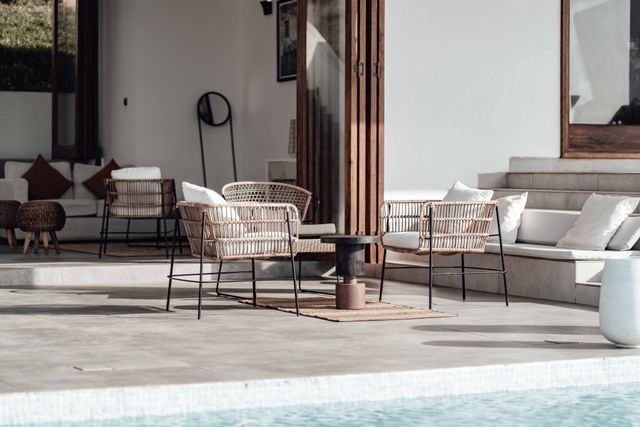
Selecting outdoor furniture seems easy enough until you realise just how much wear and tear the second or third season does to your furniture frame, leaving it rusted and its cushions faded. The average consumer will cite poor quality products, but the reality is that outdoor wicker furniture Australia buyers face an extremely challenging climate, and a large number of products currently on the market were not designed to cope with this kind of climate.
What Australian Conditions Actually Do to Outdoor Furniture?
As confirmed by ARPANSA, Australia receives some of the highest rates of UV radiation in the world. This is not an indication of the sunny climate; this is a very specific stress factor for outdoor furniture.
The coastal suburbs provide another challenge to outdoor furniture as salt in the air will cause corrosion in the metal frames as well as weaken the natural fibres. This means that the outdoor furniture, which worked well 30 kilometres away from the coast, will deteriorate during one season closer to the sea.
Why Natural Wicker Tends to Struggle?
Natural rattan and cane, the organic stuff, not the fake version, tend to act like a big sponge when it comes to absorbing and releasing moisture all the time as the weather changes. And then just to make things worse, they swell up, contract, and lose their snap when they get heat and a lot of rain. To be honest, they do okay in places like the UK or where this kind of furniture was made (shaded spots or air-conditioned indoor settings) but slap it on an Aussie patio or deck and forget about it; it just doesn’t cut it.
One of the problems is that the term “wicker” gets bandied about all over the shop, and nobody cares to distinguish between what’s real and what’s synthetic. It’s the stuff the thing is made of that matters, not the label that’s been slapped on it.
The Materials That Hold Up
High-density polyethylene wicker (or PE resin for short) is woven around a structural aluminium frame. It’s got UV stabilisation built into the material so the colour and the flexibility don’t fade when you use it outside, unlike a lot of the other stuff that just has a surface treatment that wears off. The frames themselves are made of powder-coated aluminium, which resists rust, corrosion and the usual thermal stresses that steel and iron frames get up to, without requiring nearly as much maintenance as those materials do.
For tabletops, tempered glass is the way to go: it’s heat resistant, non-absorbent and really easy to wipe clean after a barbie or bad weather. Before you commit to buying anything, have a look at the following:
- Weave density
- How the frames are put together
- Whether the cushions are UV rated
- Whether the covers can be taken off and washed
All of that tells you a lot more about how well something will last than the price tag does.
Matching Furniture to the Outdoor Space
If you’ve got a balcony or a tiny courtyard, you need furniture that’s light and won’t take up too much room. Check the door swing clearance and where people are likely to walk before you go ordering. If you’ve got a bigger outdoor space you can fit bigger, modular configurations; but basically it’s a no-brainer: don’t overdo it and end up with a bit of kit that just looks silly. If you live in the Southern Hemisphere, north-facing spots tend to get a lot of direct sun, but it’s not that simple; how exposed and hot a spot is really depends on the local climate and what’s going on around you. If you take into account the actual site, rather than just the general climate, you can actually get furniture that you will actually use.
Keeping It in Good Shape
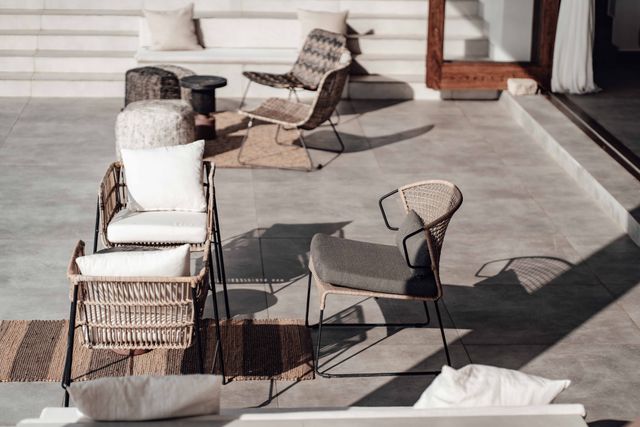
Furniture made from the right materials doesn’t require anywhere near the upkeep that a lot of people expect. A hose with the garden hose is all you need to knock off the dust that settles in the weave in dry months. Cushion covers can be washed in the machine without breaking out the big guns. You can even get covers that keep the thing looking good when you’re not using it. The key is to know the difference between “low maintenance” and “no maintenance”; that distinction is what keeps good furniture from turning into rubbish.
Tags:KS

Leave a reply