




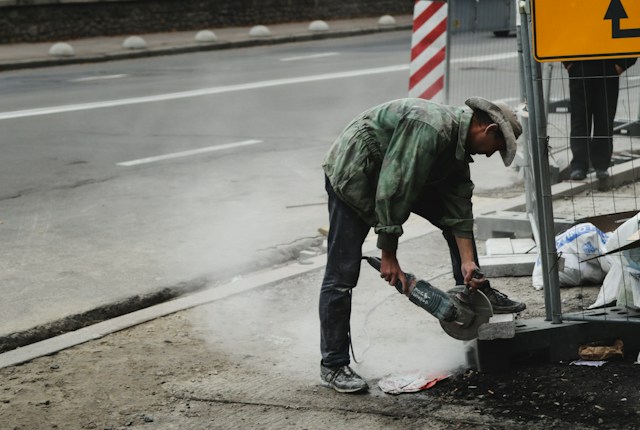
The simple grey slab does not look like a feature, but it can become one of the most appealing flooring options in the house. The transformation is possible only through grinding, which is half machinery, half patience and half safety discipline. Understanding what grinding entails will enable anyone choosing a concrete grinding service to make the right inquiries.
What Grinding Truly Accomplishes?
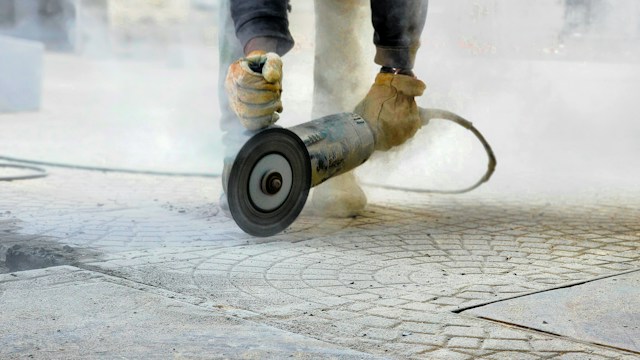
Concrete grinding, as carried out by a concrete grinding company, involves the use of rotating diamond tools to strip the surface of its top layer. This procedure flattens the irregularities on concrete slabs, grinds down the ridges where sections of a slab come together and polishes the rough areas. Grinding away old coatings is one of the main reasons for grinding. Such coatings include carpet glue, paint, epoxy and tile adhesives, among others.
Preparation of the surface is actually the objective of this process. Epoxy flooring and other finishes require an exposed and bare surface in order to bond effectively. Otherwise, the coat will easily peel off within a matter of months.
Grinding, Honing and Polishing, Not Quite the Same Old Thing
These terms might sound a bit similar, but they actually describe different stages and finishes of a floor.
Grinding is all about using coarse diamond tools to rip through the surface and expose the concrete beneath; it’s not a pretty sight. Once you’ve done that, you can move on to honing with finer tools, which leaves you with a smooth, matt finish. Then of course there’s polishing, just one more stage of making it finer and finer until you’ve got a floor that actually shines.
How deep you take the grind will have a huge effect on the final look, and that can be a real decision:
- Cream Finish: You’re just buffing the top layer and keeping the stone hidden.
- Salt And Pepper Finish: You get to see some tiny specks of the stone’s texture.
- Full Aggregate Finish: You get a real terrazzo look going on as the whole stone surface is exposed.
Sheen is another thing; it can be totally flat, or satin, or high gloss. The average homeowner tends to go with satin; it just looks warmer and cuts down on all that nasty glare. But places like warehouses and workshops are all about getting rid of the mess and getting things clean in a hurry.
Every slab is different though; its stone, sand and age all affect the final result. A test patch can be a real help in making sure everyone is on the same page about the look before you start the full floor.
Silica Dust, the Real Risks Down Here
One of the nastier things about grinding concrete is the silica dust it kicks up. That little stuff can get deep in the lungs and give you all sorts of nasty problems.
Australia banned all those fancy stone benchtops in July 2024, but that ban doesn’t apply to concrete and cement, so grinding is still fair game. Don’t let that fool you though; silica is still a very real danger.
Safe Work Australia says that the maximum amount of silica dust you’re allowed to breathe in at work is 0.05 mg/m³ over an 8-hour period. Places that do grinding have to keep the dust down to that level and make sure they are taking the right precautions.
Wet grinding is one way to do it; keep the surface damp throughout the job, and that helps. Dry grinding needs vacuum extraction on the job, or you’re just making it worse for people breathing in that dust. And yes, masks can help, but they should be part of a more serious plan.
And it’s not just about the workers on site. If you’re doing it at home, you want to know that whoever is doing the grinding can contain the dust as much as possible.
Before You Get Someone In, Here Are Some Questions to Ask
First off, make sure the machine you’re hiring is the right size for the job. A big one may get the job done faster, but you need to be able to get it into the corners. And there’s a lot of difference between a garage floor and a floor in a busy shop.
Experience counts for a lot, and getting some examples of the work the bloke has done is a big help. And here are a few more questions to ask before you sign on:
- What are you going to do to stop the silica dust getting everywhere?
- Are you insured to work on other people’s property?
- Will you fix up any cracks and whatnot before you start?
- Is the finish you’re promising in the price, or is it extra?
- When are we supposed to be able to put things back on the floor?
A clear plan in writing will save a lot of problems down the line. And getting some samples to agree on beforehand is a definite good idea.
After the Grinder’s Gone, Caring for Your Concrete Floor
A finished floor is pretty easy to keep looking good if you just take care of it. Protect it with a sealer and it’ll be fine, although you may have to reapply from time to time. Garage floors and commercial floors will need it done a bit sooner than a floor in the house because they get a lot more wear and tear.
Oil spills and tyre marks can all wear down the protection and make the floor look a bit worse for wear, but that’s just part of the deal.

Leave a reply